
Introduction
Snacking can be a normal part of a healthy eating routine. When you feel hungry between meals, choosing a nutritious snack can provide useful nutrients and help you avoid relying too often on highly processed foods.
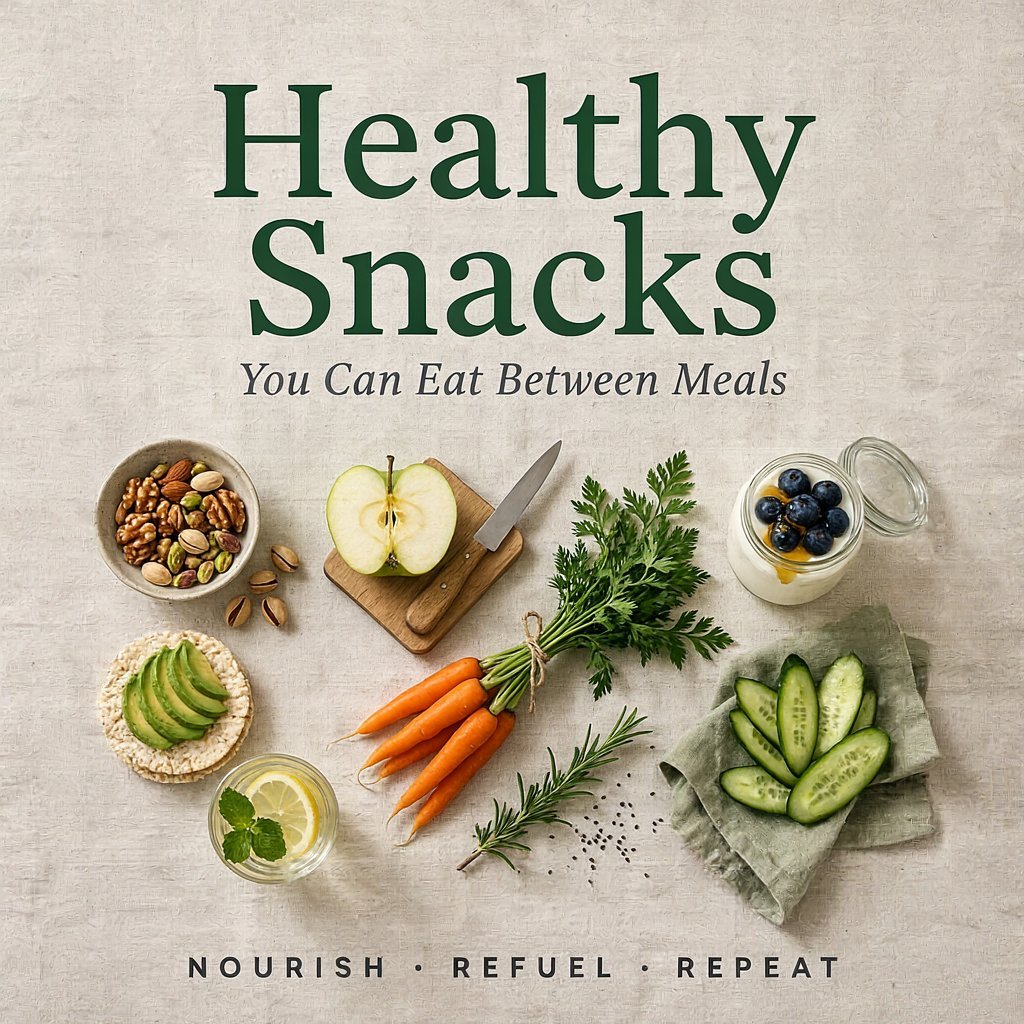
A healthy snack does not have to be complicated. Fresh fruit, yogurt, nuts, boiled eggs, vegetables, seeds, and whole-grain foods are simple options that can fit into many different lifestyles.
The right snack can depend on your hunger, daily activity, meal schedule, food preferences, and nutritional needs. The goal is not to snack constantly, but to choose nutritious foods when you genuinely need something between meals.
In this article, we will explore 10 healthy snacks that you can enjoy between meals and share simple tips for making better snack choices.
1. Fresh Fruit
Fresh fruit is one of the easiest snacks to prepare. Fruits provide carbohydrates, fiber, vitamins, minerals, and other beneficial plant compounds.
Some convenient choices include:
- Apples
- Bananas
- Oranges
- Guava
- Papaya
- Pears
- Berries
Keep fresh fruit somewhere easy to see at home or work so that it is readily available when you become hungry.
2. Plain Yogurt With Fruit
Plain yogurt can provide protein and calcium, while fruit adds fiber and natural sweetness.
You can combine plain yogurt with:
- Banana
- Berries
- Apple pieces
- Papaya
- A small amount of oats
When buying yogurt, check the nutrition label and consider choosing a variety with little or no added sugar.
3. A Small Portion of Nuts
Almonds, walnuts, peanuts, pistachios, and other nuts are convenient snacks that provide protein, unsaturated fats, and fiber.
A small portion can be enough because nuts are relatively high in calories.
For an easy snack, keep a small container of nuts available rather than eating directly from a large package.
Unsalted or lightly salted nuts can be a good choice if you want to limit your sodium intake.
4. Boiled Eggs
Boiled eggs are easy to prepare ahead of time and can be a convenient protein-rich snack.
You can pair a boiled egg with:
- Fresh fruit
- Cucumber
- Tomato
- Whole-grain toast
Preparing eggs in advance can make it easier to choose a nutritious snack on busy days.
5. Fresh Vegetables With Hummus
Vegetables such as carrots, cucumber, bell peppers, and tomatoes can make a refreshing snack.
Pairing vegetables with hummus adds protein, fiber, and other nutrients.
You can prepare vegetable sticks in advance and keep them refrigerated for quick access during the day.
6. Oatmeal
Oatmeal is not only a breakfast food. A small serving can also work as a filling snack.
You can add:
- Fresh fruit
- Nuts
- Seeds
- Plain yogurt
- Cinnamon
Choose ingredients that fit your dietary preferences and avoid adding excessive amounts of sugar.
7. Whole-Grain Toast With Peanut Butter
Whole-grain toast combined with peanut butter can provide carbohydrates, protein, healthy fats, and fiber.
For additional flavor, add sliced banana or apple on top.
When choosing peanut butter, check the ingredient and nutrition labels and consider options without large amounts of added sugar.
8. Roasted Chickpeas
Chickpeas provide protein and dietary fiber and can be prepared as a crunchy snack.
You can roast cooked chickpeas with a small amount of oil and season them with herbs or spices.
Homemade roasted chickpeas can be a useful alternative to some highly processed packaged snacks.
9. Cottage Cheese With Fruit
Cottage cheese can provide protein and can be combined with fruit for a simple snack.
Try pairing it with:
- Berries
- Banana
- Apple
- Peaches
- Pears
You can also add a small amount of nuts or seeds for additional texture and nutrients.
10. Seeds and Homemade Trail Mix
Seeds such as pumpkin seeds, sunflower seeds, chia seeds, and flaxseeds can provide healthy fats, fiber, protein, and minerals.
You can create a simple homemade snack mix using:
- Nuts
- Seeds
- Unsweetened dried fruit
- Whole-grain cereal
Keep the portion moderate, particularly when the mixture contains nuts and dried fruit, which can be calorie-dense.
How to Choose a Healthy Snack
A good snack should fit your hunger and overall diet. You do not need to choose a complicated recipe every time.
Consider these simple guidelines:
Choose Whole Foods More Often
Fruits, vegetables, nuts, seeds, yogurt, eggs, and legumes can provide more nutrients than many highly processed snack foods.
Include Protein or Fiber
Protein and fiber can make snacks more satisfying. Yogurt, eggs, nuts, beans, and whole fruits are useful options.
Pay Attention to Portion Size
Even nutritious foods can contribute a lot of calories when eaten in very large amounts.
Limit Added Sugar
Try to avoid making sugary snacks and drinks your everyday choices.
Keep Healthy Options Available
Planning ahead can make healthy choices easier. Wash fruit, cut vegetables, or prepare boiled eggs in advance.
Healthy Snacks for Different Situations
For a Busy Workday
Try an apple with nuts, yogurt with fruit, or a boiled egg.
Before Physical Activity
A banana, fruit, or a small serving of oatmeal can provide carbohydrates.
After Physical Activity
A snack containing both protein and carbohydrates may be useful, such as yogurt with fruit or whole-grain toast with eggs.
For an Evening Snack
If you are genuinely hungry, consider a moderate serving of yogurt, fruit, nuts, or cottage cheese.
Your overall daily diet matters more than having one “perfect” snack.
Snacks to Limit
You do not have to completely eliminate your favorite snack foods. However, it is generally a good idea to limit foods and drinks that are high in added sugar, excessive sodium, or unhealthy fats.
Examples may include:
- Sugary drinks
- Candy
- Highly sweetened baked goods
- Highly processed chips
- Snacks with excessive amounts of added sugar
Enjoying these foods occasionally can fit into an overall balanced eating pattern, but nutritious whole foods are better choices for regular snacking.
Frequently Asked Questions
What is the healthiest snack between meals?
There is no single healthiest snack for everyone. Fruit, yogurt, nuts, vegetables, eggs, and other minimally processed foods can all be nutritious choices.
Are fruits good snacks?
Yes. Whole fruits provide fiber, vitamins, minerals, and carbohydrates, making them a convenient snack option.
Can I eat nuts as a daily snack?
Nuts can be part of a healthy diet. Because they are calorie-dense, a small or moderate portion is generally appropriate.
What should I eat if I am hungry at night?
If you are genuinely hungry, a moderate serving of a nutritious food such as plain yogurt, fruit, or cottage cheese can be an option. Your overall eating pattern and individual needs should guide your choices.
Are healthy snacks good for weight management?
Nutritious snacks can fit into a weight-management plan, but portion sizes and total daily food intake also matter. There is no single snack that automatically causes weight loss or weight gain.
Conclusion
Healthy snacking does not have to be difficult. Fresh fruit, plain yogurt, nuts, boiled eggs, vegetables with hummus, oatmeal, whole-grain toast, roasted chickpeas, cottage cheese, and seeds are all simple options you can enjoy between meals.
The most important thing is to choose snacks that complement your overall diet. Pay attention to portion sizes, include a variety of nutritious foods, and limit highly processed snacks and sugary drinks.
With a little planning, healthy snacks can become an easy part of your everyday routine.
Disclaimer: This article is for general informational purposes only and is not a substitute for individualized medical or nutritional advice. People with medical conditions, food allergies, or specific dietary requirements should consult a qualified healthcare professional or registered dietitian for personalized guidance.