
Introduction
Water is one of the most important things your body needs every day. It helps regulate body temperature, supports digestion, transports nutrients, and plays an important role in many normal body functions.
You may often hear that everyone should drink exactly a certain number of glasses of water each day. However, hydration needs are not the same for everyone. Your age, body size, activity level, weather, diet, and overall health can all affect how much fluid you need.
Instead of focusing only on a fixed number, it is useful to understand your body’s hydration needs and develop simple habits that help you drink enough fluids throughout the day.
1. Why Is Water Important for the Body?
Water is involved in many essential processes.
It helps your body:
- Maintain normal body temperature
- Support digestion
- Transport nutrients
- Remove waste through urine and sweat
- Lubricate joints and tissues
- Maintain normal blood volume
- Support normal physical performance
- Keep your mouth and other tissues properly hydrated
Because your body continuously loses water through urine, sweat, breathing, and other processes, fluids need to be replaced regularly.
2. How Much Water Do You Actually Need?
There is no single amount of water that is perfect for every person.
A commonly referenced guideline from the U.S. National Academies is about 3.7 liters of total water per day for adult men and 2.7 liters for adult women. Importantly, these amounts refer to total water from all beverages and foods, not simply the amount of plain water you drink.
Your individual needs can be higher or lower depending on your circumstances.
For example, you may need more fluids when:
- The weather is hot
- You exercise or work physically
- You sweat heavily
- You have a fever
- You are vomiting or have diarrhea
- You spend a lot of time outdoors
Therefore, these numbers should be viewed as general reference points rather than strict daily targets.
3. Food Also Provides Water
You do not get all of your daily water from drinking beverages.
Many foods contain significant amounts of water, including:
- Watermelon
- Oranges
- Strawberries
- Cucumber
- Tomatoes
- Lettuce
- Soups and broths
- Yogurt
- Other fruits and vegetables
This is why total water intake includes both beverages and food.
Eating a varied diet containing fruits and vegetables can contribute to your overall hydration.
4. Your Activity Level Affects Hydration
Physical activity can increase your fluid needs because you lose water through sweat.
If you exercise, play sports, walk for long periods, or perform physically demanding work, you may need to drink more than you normally would.
For longer or more intense activities, especially in hot conditions, replacing fluids and electrolytes may become more important.
A practical approach is to drink fluids regularly rather than waiting until you feel extremely thirsty.
5. Hot Weather Can Increase Your Fluid Needs
Hot and humid weather can cause your body to lose more water through sweating.
This is especially important for people who spend a lot of time outdoors or perform physical work in warm environments.
During hot weather:
- Keep water available
- Drink regularly throughout the day
- Take breaks from direct heat when possible
- Eat water-rich foods
- Pay attention to signs of dehydration
Your fluid needs can be noticeably different on a hot day compared with a cool day.
6. Thirst Can Help Guide Your Water Intake
For many healthy adults, thirst is an important signal that the body needs fluids.
Rather than forcing yourself to drink a very large amount of water simply because a particular number is popular online, pay attention to your thirst and other signs of hydration.
Urine color can also provide a rough indication of hydration. Darker urine can occur when the body is conserving water, although urine color can also be affected by foods, supplements, and medications.
There is no need to aim for completely clear urine all the time.
7. What Are Common Signs of Dehydration?
Not getting enough fluid can lead to dehydration.
Possible signs include:
- Increased thirst
- Dry mouth
- Darker urine
- Urinating less often
- Tiredness
- Headache
- Dizziness
- Reduced physical performance
More severe dehydration can be serious and may require medical attention.
If someone is confused, extremely weak, fainting, unable to keep fluids down, or showing other severe symptoms, seek appropriate medical care promptly.
8. Can You Drink Too Much Water?
Yes. More water is not always better.
Drinking an excessive amount of water in a short period can dilute the sodium level in the blood, a condition known as hyponatremia. Although this is uncommon in everyday situations, it can occur under certain circumstances, particularly when someone consumes very large amounts of water.
The goal should be adequate hydration, not drinking as much water as possible.
People with certain medical conditions or those taking medications that affect fluid balance may have different fluid requirements and should follow advice from their healthcare professional.
9. Does Coffee or Tea Count Toward Fluid Intake?
Yes. Beverages such as coffee and tea contribute to your overall fluid intake.
Although caffeine can have a mild diuretic effect, moderate caffeine consumption does not mean that these beverages simply “cancel out” their fluid content.
However, water remains a simple everyday beverage choice, especially when you want hydration without added sugar or calories.
If your coffee or tea contains a lot of added sugar or cream, consider that when looking at your overall diet.
10. Simple Ways to Drink Enough Water Every Day
You do not need a complicated system to improve your hydration habits.
Try these simple strategies:
Keep Water Nearby
Keep a reusable water bottle at your desk, in your bag, or wherever you spend most of your day.
Drink With Meals
Having water with breakfast, lunch, and dinner can make regular hydration easier.
Drink After Physical Activity
Replace fluids after exercise or heavy physical work, especially if you have been sweating significantly.
Add Natural Flavor
If plain water feels boring, try adding lemon, lime, cucumber, or mint for flavor.
Eat Water-Rich Foods
Include fruits and vegetables such as watermelon, oranges, cucumber, and tomatoes.
Create a Routine
Instead of trying to drink a huge amount at once, spread your fluid intake throughout the day.
A Simple Daily Hydration Routine
A basic routine could look like this:
Morning: Drink water after waking up and with breakfast.
Midday: Have water with lunch and keep a bottle nearby while working or studying.
Afternoon: Drink regularly, especially if you are active or the weather is hot.
Evening: Have fluids with dinner and drink according to your thirst.
The exact amount will depend on your individual needs.
Water Intake During Exercise
Exercise can increase fluid loss through sweat.
For normal daily activities and shorter workouts, drinking water regularly is often sufficient.
For prolonged or intense exercise, particularly in hot weather, fluid and electrolyte requirements can be greater. Athletes and people performing strenuous physical work should pay attention to both fluid losses and their overall electrolyte intake.
Avoid suddenly drinking very large amounts of water.
Healthy Hydration Choices
Water is generally one of the simplest choices for staying hydrated.
Other options can include:
- Milk
- Unsweetened tea
- Coffee in moderate amounts
- Water-rich fruits
- Soups and broths
Sugary drinks can also provide fluid, but consuming them frequently can add a significant amount of sugar and calories to your diet.
For everyday hydration, choosing water and other nutritious beverages more often can be a practical habit.
Frequently Asked Questions
1. How many glasses of water should I drink each day?
There is no universal number of glasses that works for everyone. Your needs depend on factors such as body size, activity, weather, diet, and health. A commonly referenced total-water guideline is about 3.7 liters for adult men and 2.7 liters for adult women, including water from both foods and beverages.
2. Is drinking 8 glasses of water every day necessary?
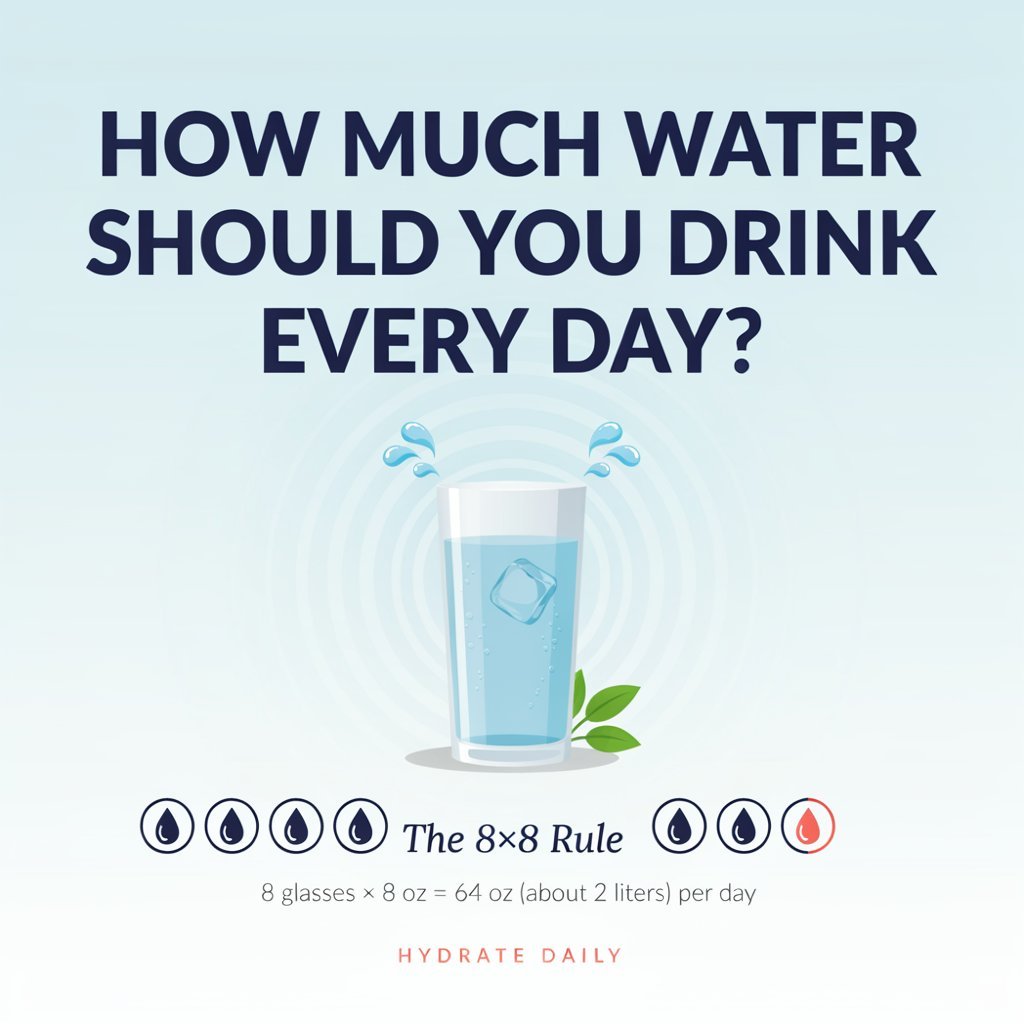
The popular “8 glasses” rule is not a requirement for every person. Some people need more, while others may need less. Total water intake also comes from foods and other beverages.
3. How do I know if I am drinking enough water?
Thirst, urine color, urination frequency, activity level, and environmental conditions can all provide useful clues. Persistent or severe symptoms of dehydration should not be ignored.
4. Is clear urine always a sign of good hydration?
Not necessarily. Urine that is consistently completely clear can sometimes indicate that you are drinking more fluid than you need. Urine color can also be affected by foods, supplements, and medications.
5. Should I drink more water when it is hot?
Usually, yes. Hot weather can increase fluid loss through sweating, particularly when you are physically active or spending a lot of time outdoors.
6. Does drinking water help with digestion?
Water is important for normal digestion and helps maintain the body’s overall fluid balance. Adequate fluid intake is also important when consuming dietary fiber.
7. Can I drink too much water?
Yes. Excessive water consumption, especially over a short period, can cause dangerously low blood sodium levels. Hydration should be balanced rather than excessive.
8. Is water better than sugary drinks?
For everyday hydration, water is generally a simple choice because it provides fluid without added sugar or calories. Sugary drinks can contribute substantial amounts of added sugar when consumed frequently.
Conclusion
Water is essential for life and supports many normal functions throughout the body. However, there is no single amount that every person must drink each day.
Your hydration needs can change depending on your activity level, weather, diet, body size, and other individual factors. Instead of following a rigid rule, drink fluids regularly, pay attention to thirst, and increase your intake when you are losing more water through sweating or physical activity.
Water-rich foods, such as fruits and vegetables, can also contribute to your overall fluid intake. The goal is not to drink as much water as possible but to maintain healthy and appropriate hydration.
Developing simple habits—such as carrying a water bottle, drinking with meals, and choosing water more often—can make staying hydrated easier as part of a healthy lifestyle.
Disclaimer
This article is provided for general informational and educational purposes only. It is not intended to provide medical advice, diagnosis, or treatment. Individual fluid requirements can vary, especially for people with certain medical conditions or those taking medications that affect fluid balance. If you have a health condition or have been given specific fluid restrictions, follow the advice of your qualified healthcare professional.