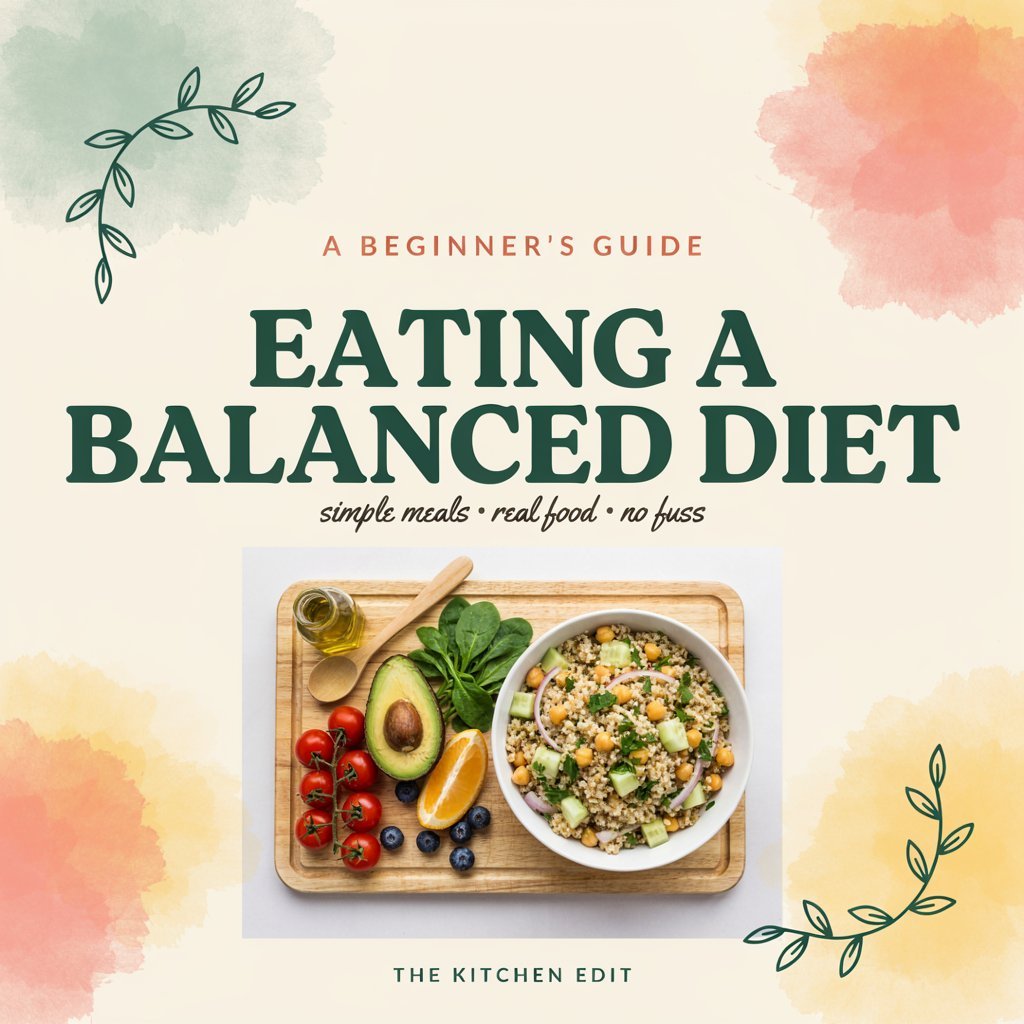

Introduction
A balanced diet is one of the foundations of a healthy lifestyle. It provides your body with the nutrients and energy it needs to function properly, stay active, and maintain overall well-being.
For someone new to healthy eating, the idea of a balanced diet can sometimes seem complicated. There are many different diets, food trends, and opinions about what people should or should not eat. However, healthy eating does not have to be difficult or restrictive.
A balanced diet is mainly about variety, moderation, and choosing nutritious foods regularly. Instead of focusing on a single food or eliminating entire food groups without a reason, it is generally better to include different types of foods in appropriate amounts.
This beginner’s guide explains what a balanced diet means and how you can start making healthier choices in your everyday meals.
What Is a Balanced Diet?
A balanced diet is an eating pattern that provides a variety of nutrients from different types of foods.
Your body needs several important nutrients, including:
- Protein
- Carbohydrates
- Healthy fats
- Vitamins
- Minerals
- Fiber
- Water
No single food can provide all of these nutrients in the amounts your body needs. That is why eating a variety of foods is important.
A balanced diet can look different from person to person depending on age, activity level, dietary preferences, and individual nutritional needs.
The Main Components of a Balanced Diet
1. Fruits and Vegetables
Fruits and vegetables should be an important part of a healthy eating pattern. They provide vitamins, minerals, fiber, and various naturally occurring plant compounds.
Try to include different colors and types of produce throughout the week.
Examples include:
- Apples
- Bananas
- Oranges
- Guava
- Papaya
- Spinach
- Carrots
- Tomatoes
- Broccoli
- Cucumbers
Fresh, frozen, and appropriately prepared vegetables can all contribute to a healthy diet.
2. Whole Grains
Grains are an important source of carbohydrates, which provide energy for the body.
Whole-grain choices include:
- Oats
- Brown rice
- Whole-wheat bread
- Whole-grain pasta
- Barley
Whole grains generally contain more fiber and nutrients than refined grains.
You can make a simple change by replacing some refined-grain foods with whole-grain alternatives.
3. Protein-Rich Foods
Protein helps your body build and maintain muscles and is involved in many other important functions.
Good sources of protein include both animal and plant foods, such as:
- Eggs
- Fish
- Chicken
- Yogurt
- Milk
- Lentils
- Chickpeas
- Beans
- Nuts
- Seeds
Including a source of protein in your meals can also help make them more satisfying.
4. Healthy Sources of Fat
Fat is an essential nutrient, but the type and amount matter.
Foods that provide unsaturated fats include:
- Avocados
- Nuts
- Seeds
- Olive oil
- Some types of fish
These foods can be included as part of a balanced diet while keeping overall portions appropriate.
Why Portion Balance Matters
Eating nutritious foods does not mean that you need to eat unlimited amounts of them.
Portion size is another important part of balanced eating. A meal can contain vegetables, protein, grains, and healthy fats, but the amounts should fit your individual nutritional needs.
One simple approach is to make vegetables and fruits a significant part of your meals while also including appropriate portions of protein and whole grains.
Your needs may be different from someone else’s, so there is no single perfect portion size for everyone.
The Importance of Drinking Enough Water
Water is essential for normal body functions, and staying hydrated is an important part of a healthy lifestyle.
Your water needs can vary depending on factors such as weather, physical activity, age, and overall health.
Some simple habits can help you stay hydrated:
- Keep water available during the day.
- Drink water with meals.
- Drink more fluids when you are physically active or in hot conditions.
- Choose water instead of sugary drinks more often.
Foods such as fruits and vegetables also contain water and can contribute to overall fluid intake.
Foods to Limit
A balanced diet does not necessarily mean that you can never enjoy less nutritious foods. Instead, foods high in added sugars, excessive sodium, and unhealthy fats are generally better consumed less often or in smaller amounts.
Examples can include:
- Sugary drinks
- Candy
- Highly processed snacks
- Excessively salty foods
- Foods with large amounts of added sugar
The goal is not perfection. What matters most is your overall eating pattern.
Simple Tips for Beginners
If you are starting to improve your diet, avoid trying to change everything at once.
Instead, start with a few realistic habits.
Add More Vegetables
Add a serving of vegetables to lunch or dinner. You can also include vegetables in omelets, soups, rice dishes, or sandwiches.
Choose Whole Foods More Often
Try to make foods such as fruits, vegetables, whole grains, beans, eggs, fish, nuts, and seeds regular parts of your meals.
Plan Your Meals
Planning a few meals in advance can make it easier to choose nutritious options instead of relying on convenient processed foods.
Don’t Skip Variety
Eating the same foods every day can limit the variety of nutrients in your diet. Try different fruits, vegetables, protein sources, and whole grains.
Make Gradual Changes
Small changes are often easier to maintain than extreme diet restrictions. For example, you could start by replacing one sugary drink with water each day.
A Simple Example of a Balanced Day
A balanced eating pattern can be simple.
Breakfast:
Oatmeal with fruit, nuts, and plain yogurt.
Lunch:
Whole-grain bread or rice with vegetables and a protein source such as chicken, beans, or lentils.
Snack:
A piece of fruit or a small portion of nuts.
Dinner:
Vegetables with fish, eggs, chicken, beans, or another protein source, along with an appropriate portion of whole grains.
This is only an example. Your meals can be adjusted according to your preferences, culture, budget, and nutritional needs.
Frequently Asked Questions
What is the easiest way to start eating a balanced diet?
Start by making small changes. Add more vegetables and fruits, include a protein source with meals, choose whole grains more often, and drink water regularly.
Do I need to stop eating carbohydrates?
No. Carbohydrates are an important source of energy. Choosing nutritious carbohydrate sources such as whole grains, fruits, vegetables, and legumes can be part of a balanced diet.
Can I eat snacks while following a balanced diet?
Yes. Snacks can be part of a healthy eating pattern. Fruits, yogurt, nuts, seeds, or other nutritious options can make good choices.
Is a balanced diet the same for everyone?
No. Nutritional needs vary between individuals. Age, activity level, health conditions, allergies, and other factors can affect what a person needs.
Do I have to completely avoid unhealthy foods?
Not necessarily. A balanced approach focuses on your overall eating pattern. Foods that are high in added sugar, sodium, or unhealthy fats can be enjoyed occasionally while nutritious foods make up most of your diet.
Conclusion
Starting a balanced diet does not require complicated rules or extreme restrictions. The basic idea is simple: eat a variety of nutritious foods in appropriate amounts and make healthy choices consistently.
Include plenty of fruits and vegetables, choose whole grains when possible, add nutritious sources of protein and healthy fats, and drink enough water. At the same time, try to limit foods that are high in added sugars, excessive sodium, and highly processed ingredients.
Most importantly, give yourself time to develop healthier habits. Small and sustainable changes can make healthy eating a normal part of your everyday lifestyle.
Note: This article provides general nutrition information and is not a substitute for individualized medical or dietary advice. People with specific medical conditions, allergies, or special dietary requirements should consult a qualified healthcare professional or registered dietitian